


Mechanical Inclinometers for Reliable Angle, Tilt, and Grade Measurement
Mechanical inclinometers are precision instruments used to measure angle, tilt, and grade relative to gravity. Commonly used as tilt indicators, slip indicators, and boom angle indicators, they provide a simple, visual method for measuring slope, monitoring equipment position, and supporting safe positioning and operation.
Rieker mechanical inclinometers use a gravity-based ball-in-tube design to indicate angular position. This makes them ideal for real-time slope detection, load leveling, and grading applications – helping operators not only monitor conditions, but also construct and maintain proper slopes and banks that are critical to safe positioning and operation over the long term. They are also well-suited for applications requiring quick, reliable visual confirmation of orientation or trajectory, where immediate angle awareness supports effective execution of the task at hand.
Rieker Mechanical Inclinometers Designed for Harsh and Demanding Environments
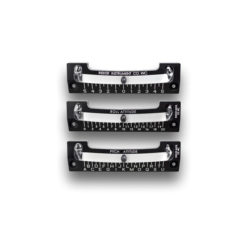
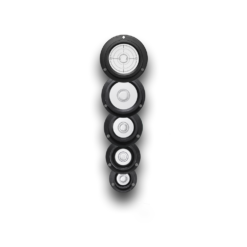
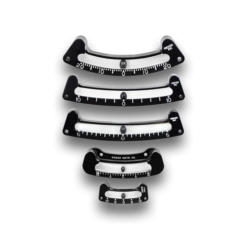
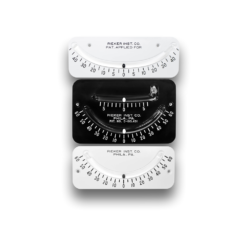
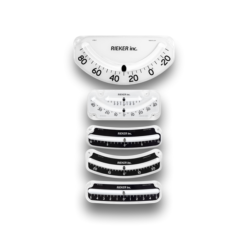
Rieker mechanical inclinometers are manufactured using precision glass or polycarbonate tubes with ball-in-fluid construction and clearly defined scales. Models are available with engraved, printed, or silk-screened markings, along with optional custom color zones to indicate safe operating ranges, grading limits, or warning thresholds.
Each inclinometer is filled with a specially formulated damping fluid that stabilizes ball movement, allowing for smooth and accurate readings even in high vibration environments.
Designed for durability and performance, Rieker mechanical inclinometers offer:
- Wide operating temperature range
- UV resistance for outdoor applications
- High shock and vibration tolerance
- Clear, easy-to-read degree markings
- Support for safe positioning and operation in dynamic environments
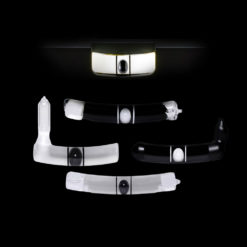
Backlit configurations for mechanical inclinometers are available for low-light and night-time operation.
Custom configurations are available to support specific applications such as grading, slip indication, boom angle monitoring, and specialized mounting requirements.
Applications of Mechanical Inclinometers
Rieker mechanical inclinometers are used across a wide range of industries where accurate angle measurement, safe positioning, and safe operation are critical.
Common applications include:
Construction and Grading Equipment
Used for grading, slope measurement, and ensuring proper surface angles during construction projects.
Cranes and Lifting Equipment
Function as boom angle indicators to support safe lifting, positioning, and load control.
Transportation and Vehicles
Used as tilt indicators and slip indicators for trucks, trailers, and off-road vehicles to maintain stability.
Trailer and Recreational Equipment
Ideal for trailer leveling, including boats, RVs, and mobile equipment setups.
Marine Applications
Used to monitor heel and trim for vessel balance and safe navigation.
Aviation and Specialty Equipment
Used for slip indication, pitch and roll monitoring, ball banking indication, fuel system attitude calibration and general orientation awareness.
Industrial Platforms and Machinery
Support load leveling, load balancing, slope warning, and safe positioning of equipment during operation.
Key Features of Rieker Mechanical Inclinometers
-
- Accurate angle measurement without power
- Simple, reliable gravity-based operation
- Immediate visual feedback for real-time decision-making
- Durable construction for harsh environments
- Resistant to temperature, moisture, and vibration
- Customizable scales, ranges, and warning zones
- Designed to support safe positioning and operation
- Immune to electromagnetic interference (EMI)
FAQs About Mechanical Inclinometers
What is a Mechanical Inclinometer?
A mechanical inclinometer is a device used for angle measurement, tilt indication, slope stability monitoring, and grading using a gravity-based mechanism. Often referred to as a tilt indicator or gradiometer, it provides a direct visual reference for slope and positioning without requiring electrical power.
How Does a Mechanical Inclinometer Work?
Mechanical inclinometers operate using gravity. As the angle changes, a ball inside a fluid-filled tube moves accordingly. The ball’s position relative to the calibrated scale indicates the angle of inclination, enabling accurate visual measurement.
How Do You Read a Mechanical Inclinometer?
Mount the inclinometer to the surface or equipment being measured. The position of the ball against the degree markings shows the angle of tilt or grade. For best accuracy, ensure proper alignment and direct viewing of the scale.
Where Are Mechanical Inclinometers Used?
Mechanical inclinometers are used in construction, boom cranes, lift trucks, transportation, marine, and industrial applications for measuring slope, monitoring tilt, and supporting safe positioning and operation.
What Are the Advantages of Mechanical Inclinometers?
-
- No power required
- Simple and reliable operation
- Durable in harsh environments
- Easy installation and maintenance
- Continuous visual angle measurement
- Immune to electromagnetic interference (EMI)
Can Mechanical Inclinometers Be Installed Permanently?
Yes. Mechanical inclinometers are commonly mounted permanently on equipment to provide continuous monitoring of angle, tilt, and grade. Rieker’s products are designed for long-term durability and resist degradation and discoloration over time, providing reliable performance for years of use.
Are Mechanical Inclinometers Suitable for Safety Applications?
Yes. They are widely used to support safe positioning and operation by providing clear, real-time visual indication of tilt, load position, and equipment orientation.